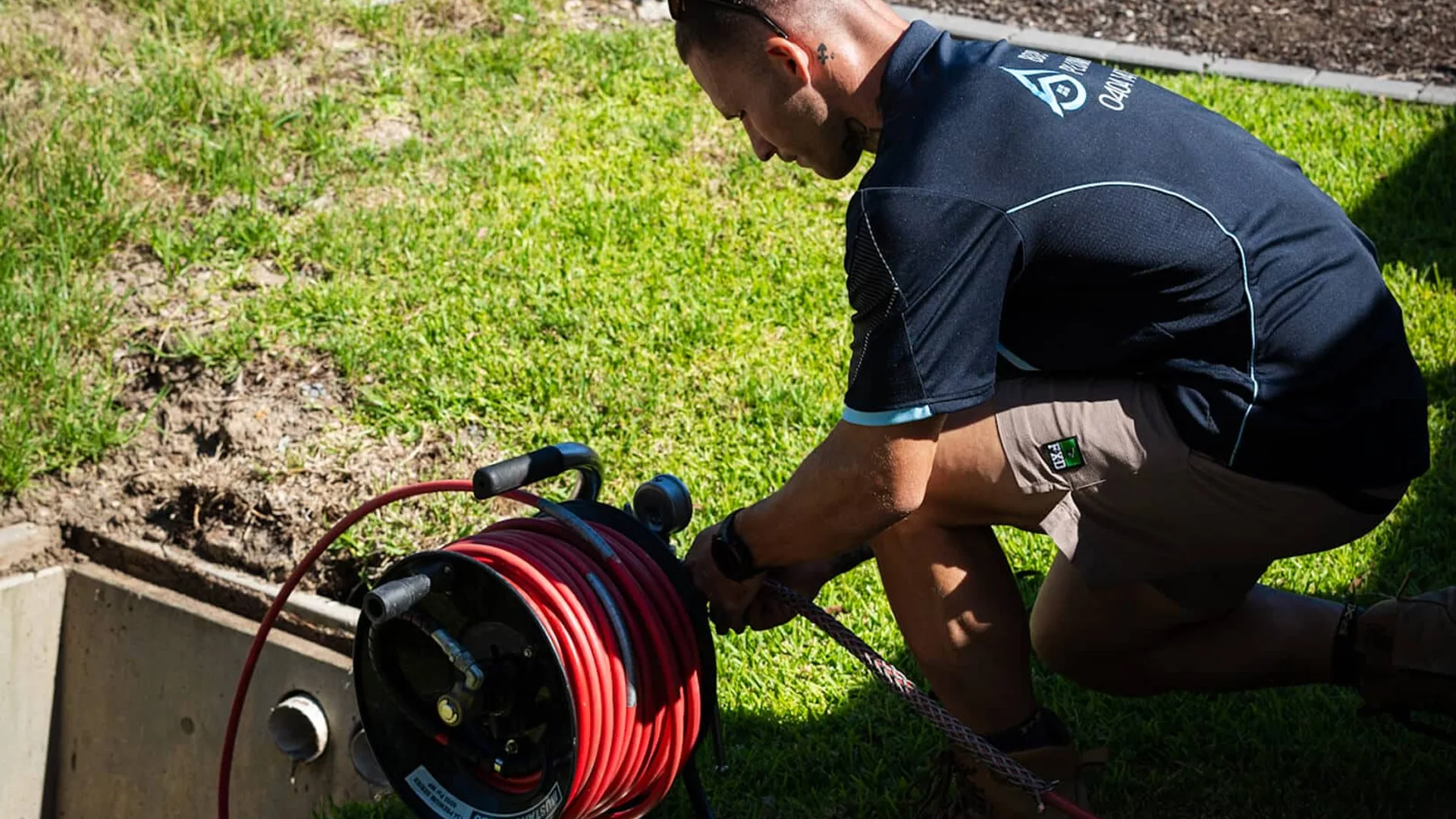
Drainage in Gillieston Heights
Blocked Drains Gillieston Heights
A gurgling drain, a sewer smell in the yard or water backing up in the shower all point the same way: something downstream is stopping the flow.
Plumbers Gillieston Heights clears blocked drains across Gillieston Heights and the surrounding Hunter suburbs, and we find the actual cause before we quote the fix.
Every job starts with a $0 call out and a clear quote before any work begins. Licensed plumbers handle the lot: drains, hot water, gas fitting and general repairs. If something isn't up to standard, we come back and make it right, no questions asked.
Signs a drain is blocking up
Blockages rarely arrive without warning. The early signs show up in the weeks before the drain stops completely, and catching them early keeps the job small.
Water sits longer than it used to
Gurgling from other fixtures
Smells from the gully or floor waste
Outside drains overflowing in dry weather
Why drains block in this suburb
The ground here works against drainage more than most people realise. This suburb drains east into the Wallis Creek floodplain, and the soil under the streets holds water in ways that stress buried pipes all year.
Backswamp ground under the low streets
Long downhill runs off the ridge
Reactive clay working the joints
Stormwater surcharge in big summer rain
What we do about it
Clearing a blockage properly takes two steps: find it, then shift it. Guessing at the cause usually means the drain blocks again within a month and you pay twice.
CCTV drain inspection
A camera travels the pipe and puts the blockage on screen, so you see the root ball, the shifted joint or the silt yourself before anything gets approved.
High-pressure water jetting
High-pressure water cuts through grease, roots and packed silt and scours the pipe wall clean. That is the difference between a drain that stays clear and one that re-blocks.
Root cutting and pipe assessment
Where roots have taken hold, cutting heads on the jetter remove them from the joint, then a second camera pass checks the pipe is still sound before repairs get priced.
Stormwater and sewer, sorted separately
A blocked stormwater line and a blocked sewer are different problems with different fixes. We work out which one you have before pricing anything, so you don't pay for work the drain doesn't need.
When a blocked drain becomes an emergency
Most blockages can wait for a booked appointment. Some can't, and it pays to know the difference before water ends up inside the house.
Water rising through the floor waste or shower
Overflowing gullies beside the house
Multiple fixtures backing up at once
If any of those are happening, head to our emergency plumbing page and call straight away. A surcharging sewer during a storm is the kind of job that can't sit in a queue.
How the job runs
You call, we quote, we clear, and you see the result on screen. Every part of it happens before you pay a cent beyond the approved price.
- 1
Call and tell us
Ring (02) 4063 3455 and tell us what's going on in Gillieston Heights. We'll ask a few quick questions so the right gear is on the truck the first time.
- 2
Quote before work
You get the price before anything starts. No call-out fee, no hourly surprises: you approve the quote or we shake hands and leave, no charge.
- 3
Camera, clear, confirm
The camera locates the blockage, the jetter shifts it, and a final pass shows the line running clean before we pack up.
- 4
Backed, no questions asked
If something isn't up to standard afterwards, we come back and make it right, no questions asked. That's the standard every Gillieston Heights job is held to.
Where blockages hit hardest around here
The same streets tend to call us out after the same weather. Knowing where the trouble pools helps us arrive with the right gear the first time.
The flatter eastern blocks
Estate lots with long falls
Lines running through reactive clay
If it keeps happening to the same drain, that pattern is telling you something. Our CCTV drain inspections page explains how we read it.
Related drainage work
A blocked drain rarely travels alone, and the drainage hub covers the full range of work around it. These pages break down where each job starts and what it involves.
Common questions
How do I know if a drain is blocked or just running slow?
A slow drain eventually clears and stays clear for weeks. A blocked one keeps slowing down, gurgles when other taps run, or comes back within days of being cleared.
Will you find the cause of the blockage or just poke a hole in it?
We run a camera down the line so the cause is on screen, whether that is roots, a shifted joint or silt. Then it gets cleared properly, not poked.
Why do my drains block every time it rains heavily?
Low ground beside Wallis Creek copes with the Hunter's February rain peak, and stormwater pushes back through yard drains. Repeat after every storm usually means a partly blocked line too.
Can tree roots get into new estate pipes?
They can. Roots only need a small gap at a joint, and joints rushed during the estate build wave were not always perfect. Once in, roots thicken until the line blocks.
Do you charge extra for after-hours drain call outs?
Attendance costs nothing and the price is agreed in writing before any work starts, morning or evening. If a blockage can safely wait until morning, we will say so on the phone.
How often should a drain be inspected if it keeps blocking?
Once is bad luck, twice is a pattern. A camera inspection shows whether repeat blockages come from roots, a sag in the pipe or clay movement stressing the joints underneath.
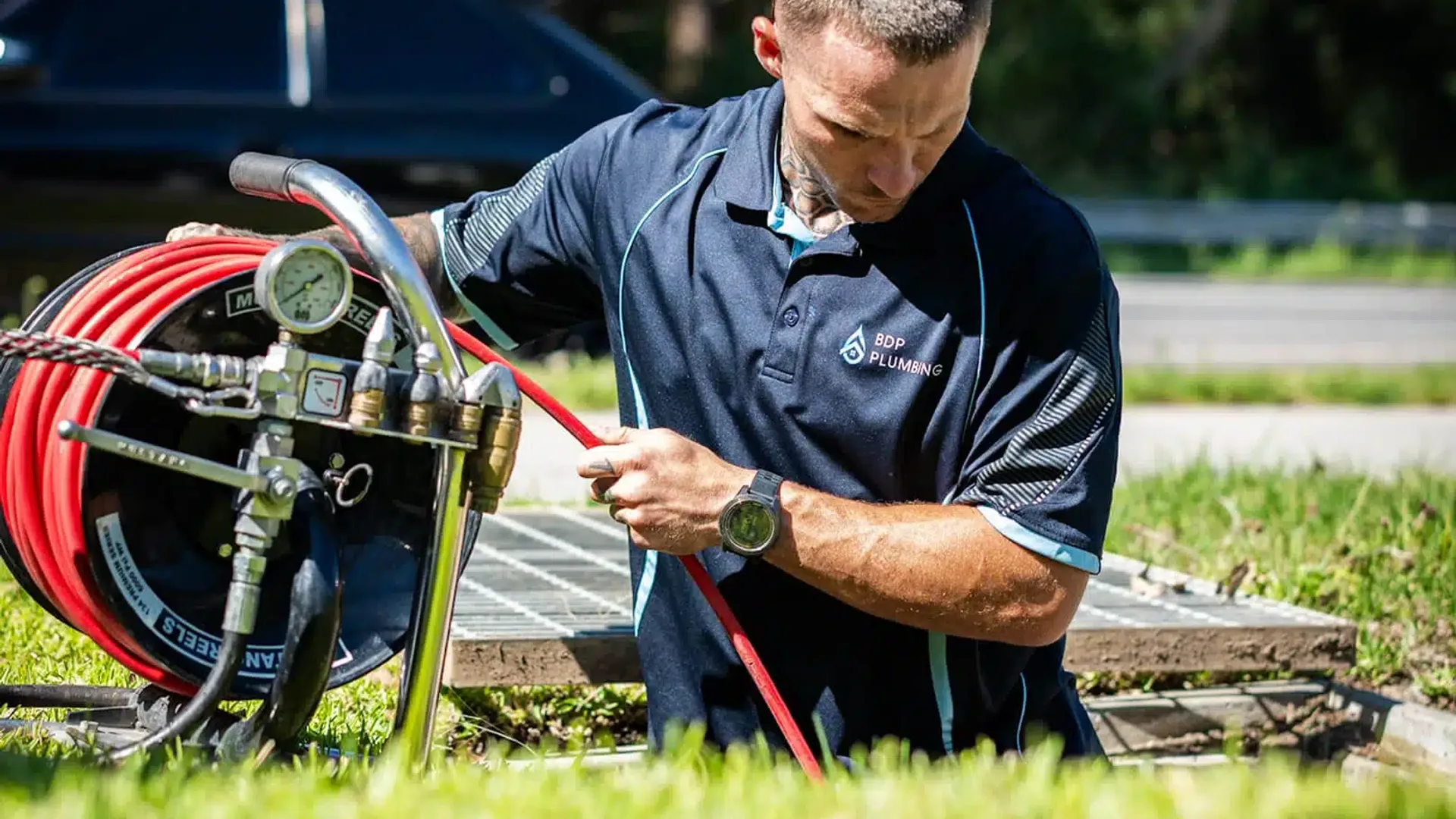
Plumbers in Gillieston Heights and the suburbs around it
Book a drain clearing
The small fix today beats the big repair later. Call (02) 4063 3455 and tell us what's happening: $0 call out across Gillieston Heights, a clear quote before any work starts, and a job that gets made right if it isn't right the first time.
You can also read more about our general plumbing work. Whatever is blocking, the camera will find it and the jetter will clear it.